
Large CPGs Are Cutting Prices to Win Back Consumers


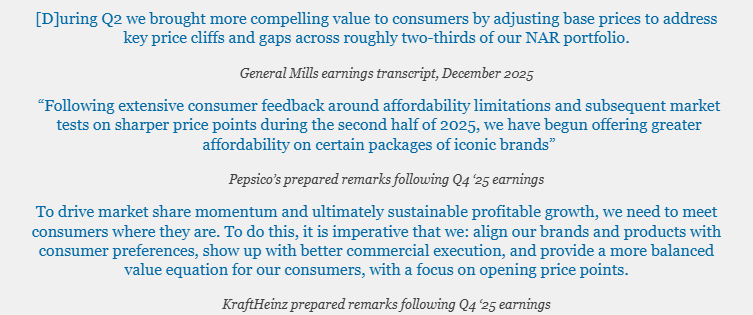
After several years of declining volumes and share prices trading near 35-year lows relative to the broader market (Exhibit 1), several large publicly traded food manufacturers have recently turned to price reductions in an effort to restore growth. These companies have concluded that more affordable prices are needed to stabilize volumes (Exhibit 2).
Exhibit 1 – Public Food Company Valuations Near Multi-Decade Relative Lows
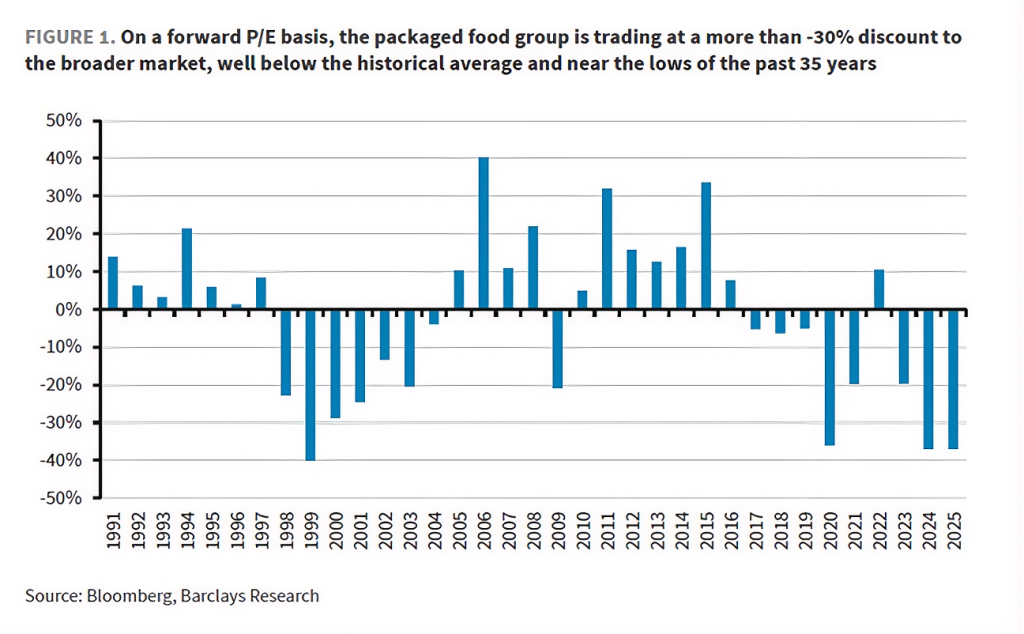
Exhibit 2 – Leading branded pricing commentary
Market implications
Rather than isolated incidents, we believe these actions are just the first in a growing wave of heightened pricing and promotional activity as competitors are forced to respond to first movers.
Since pricing is a relative game and retailers and consumers favor companies that are more price competitive, we expect pricing trends at large CPGs will have knock-on effect on the broader industry, including non-branded producers. Specifically, we expect brands to pressure their contract manufacturers to fund some of their price investments, while private label producers will face pressure to maintain their discounts to branded prices to protect volume.
Cost reduction becomes imperative in this environment
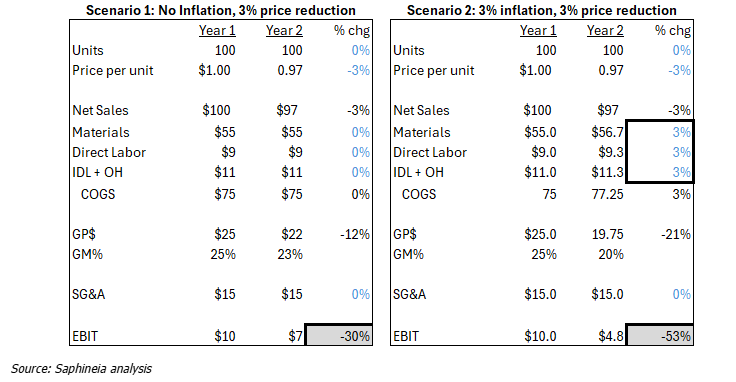
The math of price reductions is unforgiving. Consider a manufacturer with a 25% gross margin operating at a 10% EBIT margin. As shown below, matching a competitor’s 3% price reduction without reducing costs results in a 30% decline in operating profit. When ongoing cost inflation is layered in, the profit decline can exceed 50% (see Exhibit 3).
Exhibit 3 – Pricing impact to profitability
Saphineia recommends weaponizing COGS to protect your P&L
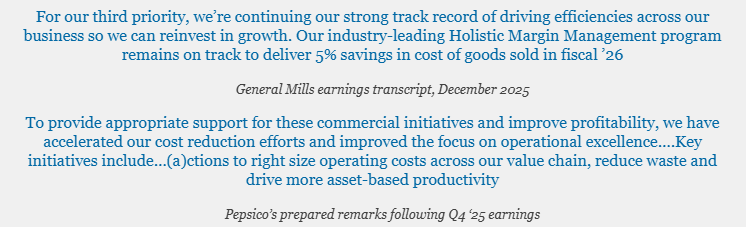
When national brands reset pricing, they immediately sharpen focus on cost savings activities like procurement and productivity improvements to fund investment and protect margins (Exhibit 4). This approach can turn their cost structure into a competitive advantage.
Exhibit 4 – Productivity focused announcements
However, in our experience, we rarely see middle market F&B manufacturers with formal, sustained continuous improvement programs designed to offset cost pressure year after year. This is a big risk in the current environment.
Saphineia has written extensively about the value of cost reduction and operational efficiency to value creation. If you’re interested in learning more about specific steps you can take to capture savings, we recommend revisiting the following Saphineia Insights.